Wilton Crescent Narrow Access Removals in Belgravia: A Practical Guide for Smooth, Careful Moving
Moving on Wilton Crescent in Belgravia is not a normal, run-of-the-mill removal job. The streets are elegant, the access can be tight, parking is often awkward, and one small planning mistake can turn a simple move into a long, stressful day. If you are arranging Wilton Crescent narrow access removals in Belgravia, the real challenge is not just lifting boxes. It is timing, vehicle choice, loading strategy, and keeping the whole process calm when space is limited and everyone is watching the clock.
This guide breaks down what narrow access removals actually involve, why they matter on streets like Wilton Crescent, how the process works, and what to do to avoid the usual headaches. You will also find a practical checklist, a comparison table, and a few real-world examples that make the whole thing a lot easier to picture. Truth be told, a well-managed move here is mostly about good judgment.
Table of Contents
- Why Wilton Crescent narrow access removals in Belgravia Matters
- How Wilton Crescent narrow access removals in Belgravia Works
- Key Benefits and Practical Advantages
- Who This Is For and When It Makes Sense
- Step-by-Step Guidance
- Expert Tips for Better Results
- Common Mistakes to Avoid
- Tools, Resources and Recommendations
- Law, Compliance, Standards, or Best Practice
- Options, Methods, or Comparison Table
- Case Study or Real-World Example
- Practical Checklist
- Conclusion
- Frequently Asked Questions
Why Wilton Crescent narrow access removals in Belgravia Matters
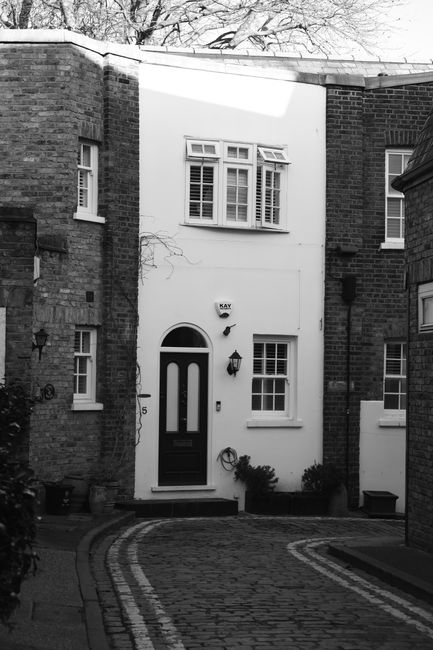
Wilton Crescent has the kind of street layout that looks effortless from the outside and slightly unforgiving once a van arrives. Many Belgravia properties have restricted frontage, controlled parking, steps, railings, basement levels, or entrances that leave very little room for manoeuvre. That matters because removals are rarely just about distance; they are about how the vehicle and the property meet each other.
A narrow access move can affect every part of the job:
- how close the vehicle can safely park
- how many items can be carried at once
- whether larger furniture needs partial dismantling
- how long loading and unloading will take
- whether extra handling protection is needed for walls, floors, and banisters
In Belgravia, people often underestimate the impact of a few metres of access. But a staircase with a sharp turn, a narrow hallway, or a van that sits just a little too tall can slow the whole move down. And when time slots are tight, that extra delay becomes expensive and annoying, fast.
The simple rule is this: in narrow-access removals, space is a moving part of the job, not just a background detail.
There is also a trust factor. A careful mover will not promise the impossible. They will ask about entry points, stairs, lifts, loading restrictions, and awkward items before the day arrives. That upfront honesty usually saves more trouble than any last-minute improvising ever could.
How Wilton Crescent narrow access removals in Belgravia Works
The process starts long before the van appears on the street. A proper narrow access removal begins with assessment. That usually means checking the property layout, the size of the items, the likely parking point, and whether there are any access limits caused by road layout or building design. On a street like Wilton Crescent, that planning stage is the difference between a smooth handover and a slow, stop-start lift-and-shuffle routine.
Here is how it normally works in practice:
- Pre-move assessment. The mover asks about stairs, lift access, doorway widths, heavy furniture, and timing restrictions.
- Vehicle choice. A smaller, easier-to-position vehicle may be better than a large truck. Sometimes the clever choice is not the biggest one.
- Load planning. Items are grouped by size and fragility so the team can load in the right order without wasting space.
- Protective preparation. Blankets, straps, floor covers, and corner protection help keep property and furniture safe.
- Careful carrying. The team moves items in controlled stages, often one or two pieces at a time rather than rushing bulk loads.
- Efficient unloading and placement. Items are placed where needed, not dumped in a heap in the hallway. Small thing, huge difference.
On narrow access jobs, the best crews move with a kind of quiet rhythm. You notice the pause before a turn, the quick check for clear flooring, the small adjustment of a sofa leg before it reaches the landing. That is where experience shows.
If you are also dealing with boxed belongings, fragile items, or a property reset after moving out, it may be worth pairing the move with packing and unpacking services so the whole job is less chaotic from the start.
Key Benefits and Practical Advantages
A good narrow access removal in Belgravia is not just about surviving the access conditions. Done properly, it actually creates a better moving experience. Less damage, less confusion, less waiting around in the street with a sofa corner and a worried expression. That matters more than people expect.
Key advantages include:
- Reduced damage risk. Careful planning lowers the chance of scuffs, knocks, and strained lifts.
- Better timing. Smaller vehicles and a sharper loading plan can help the move stay on schedule.
- Less physical strain. When routes are planned properly, the team does fewer awkward lifts and carries.
- More predictable costs. Efficient access handling can reduce wasted labour time.
- Cleaner property presentation. This is especially useful if you are leaving a flat, townhouse, or high-spec rental in good condition.
There is also a quiet peace of mind in knowing the movers understand the area. Belgravia properties often have a polished feel, and residents tend to expect a professional standard. That includes being tidy, discreet, and careful with the building, not just the furniture.
For larger domestic moves, many people also look at home moves or house removalists when they need a more structured approach than a simple one-van job.
Who This Is For and When It Makes Sense
Not every move needs specialist narrow access planning. But if you are dealing with one or more of the following, it makes good sense to treat access as a serious part of the job:
- you live in a townhouse, maisonette, or basement flat
- the property has a tight staircase or awkward turn
- street parking is limited or controlled
- you have large furniture that cannot be easily lifted or twisted
- you are moving on a fixed schedule with limited loading time
- you need a discreet move with minimal disruption
This is also relevant for smaller jobs. A narrow entry can make even a "light" move surprisingly tricky. A few boxes, a desk, a mattress, and a wardrobe may sound manageable until you are trying to edge them round a hallway corner without scraping a freshly painted wall. Then it becomes a different story altogether.
If you only have a small load, a flexible man with van or man and van service can be a practical fit, especially where access is tight and you do not need a huge vehicle blocking the street.
Commercial clients in nearby offices or mixed-use buildings may need a different setup. In that case, commercial moves or office relocation services can be the better route.
Step-by-Step Guidance
Here is a clear, practical way to prepare a narrow access removal without overcomplicating it.
- Measure the awkward bits. Doorways, stair width, hallway turns, and any tight landings. Measure furniture too, not just the building.
- List the heavy items. Sofas, wardrobes, beds, appliance units, tables, and anything that needs two people or dismantling.
- Check access timing. Think about when the road is busiest, when loading is safest, and whether your move-out window is fixed.
- Decide what should be taken apart. A bed frame or shelving unit may travel far more safely in sections.
- Plan the loading order. Put the largest and heaviest items first, then stack smaller items around them to avoid wasted space.
- Protect the route. Use blankets, runners, or floor protection where needed. A fresh scuff on a painted wall is the sort of thing that irritates you later.
- Prepare a clear landing zone. Keep hallways, stairs, and the doorway as free as possible.
- Confirm disposal needs. If you are moving out old furniture or appliances, arrange disposal properly rather than leaving it to chance.
A useful tip: do a last walk-through the night before. It sounds almost too simple, but it catches the odd shoe rack, loose cable, or overflowing cupboard that slows things down. And yes, there is always one more thing you forgot.
Expert Tips for Better Results
In our experience, the best narrow access moves in Belgravia are the ones where everyone shares the same picture of the job before the first item is lifted. That sounds obvious, but it is where many moves go sideways.
Try these practical ideas:
- Choose access-friendly vehicles. A smaller vehicle can sometimes save more time than a bigger one, especially where parking is awkward.
- Keep a fast decision list. Decide in advance what will be moved, donated, recycled, or disposed of. No dithering on moving day.
- Mark fragile items clearly. A handwritten note on a box is not glamorous, but it works.
- Keep valuables separate. Passports, jewellery, laptops, and documents should travel with you.
- Use dismantling only where it helps. Some furniture is worth taking apart; some is better left intact. Over-dismantling can create more work.
- Ask about insurance and handling. It is a fair question, and a serious mover should answer it clearly.
One small but important point: if you have a lot of clutter mixed in with the move, you may need a disposal plan too. Services like furniture pick up, mattress and sofa disposal, or fridge and appliance removal can make the day much easier.
And if you are getting rid of anything that needs special handling, such as paint, chemicals, or other unsuitable waste, check the relevant disposal route first. It is one of those boring jobs that saves a lot of hassle later. Not thrilling, but worth it.
Common Mistakes to Avoid
The most common mistakes in narrow access removals are usually simple ones. Not dramatic. Just costly in a quietly annoying way.
- Underestimating furniture size. A wardrobe that looks fine in the bedroom may be a nightmare at the stair turn.
- Booking the wrong vehicle size. Too large can be awkward; too small can mean extra trips.
- Ignoring parking realities. If the van cannot stop near the property, the whole plan changes.
- Forgetting about basement or top-floor access. Long carries eat time and energy.
- Leaving packing until the last minute. That always looks like a small problem until moving morning arrives.
- Not separating rubbish from moving items. It creates confusion and slows the crew down.
Another mistake is assuming that "narrow access" only means a tight front door. In reality, the route from the property to the vehicle is the whole issue. Staircases, turns, gates, thresholds, lift size, pavement width, all of it matters. One weak link can be enough to slow the move, so yes, it is worth being a bit fussy here.
Tools, Resources and Recommendations
You do not need a mountain of equipment for a narrow access move, but the right tools make a serious difference. Good movers usually rely on a simple, dependable kit rather than anything flashy.
- Furniture blankets and pads for protecting large items and door frames
- Straps and tie-downs to keep loads stable in transit
- Hand trucks or dollies for safe movement where floors and steps allow
- Tool kits for dismantling beds, tables, or shelving
- Floor protection for hallways, entry points, and polished surfaces
- Labels and markers to keep boxes and rooms organised
From a service perspective, it can help to explore a mover's broader support options before booking. For example, if your job involves fragile household goods, packing and unpacking services may be useful. If you need a dedicated vehicle setup, removal truck hire or a larger moving truck may suit larger, more complex relocations. The trick is matching the vehicle and crew to the access, not the other way round.
For people who care about waste handling and sustainability, recycling and sustainability can be a helpful part of the wider moving plan, especially if you are clearing out unused items before the move.
Law, Compliance, Standards, or Best Practice
Any removal job in London should be carried out with sensible attention to safety, property access, and responsible waste handling. You do not need to become a legal expert to move home, but you do want to work with a company that treats those duties properly.
Best practice usually includes:
- careful manual handling to reduce the risk of injury
- safe loading and securing of items inside the vehicle
- respect for building rules, neighbour access, and communal areas
- proper handling of items that must not be dumped or left behind
- clear terms on what is included, what costs extra, and what happens if access changes on the day
If you are disposing of appliances, mattresses, sofas, or other bulky items, it is sensible to use a service that understands lawful disposal expectations and recycling options. That helps protect you as much as anyone else. Likewise, if you are moving confidential office material, using confidential shredding alongside a relocation can reduce risk and tidy up the process.
Insurance matters too. A careful mover should be able to explain how items are handled and what protection is in place. If that conversation feels vague, that is a red flag. Let's face it, nobody wants surprise stress on moving day.
You can also review the company's insurance and safety information and its health and safety policy if you want a better sense of how it approaches the work.
Options, Methods, or Comparison Table
Not every narrow access move needs the same method. The right choice depends on volume, access, and how much handling care the property needs.
| Method | Best for | Strengths | Trade-offs |
|---|---|---|---|
| Man and van | Smaller moves, limited access, quick city relocations | Flexible, efficient, easier to park and position | Less space for very large loads |
| Home move service | Full household relocations | More structured planning and support | May be more than you need for a small move |
| Removal truck hire | Larger loads with clear access and heavier volume | Good capacity for bigger moves | Can be awkward where streets are tight |
| Office relocation support | Businesses moving equipment, files, and furniture | Better for organised, time-sensitive moves | Less suited to small domestic jobs |
If you are unsure which route suits you, think about the most difficult part of your move, not the easiest. If access is the bottleneck, choose a method that solves access first. Fancy spreadsheets won't move a sofa through a narrow staircase, sadly.
Case Study or Real-World Example
Imagine a resident in a Belgravia townhouse moving from a first-floor property on a tight crescent. The front entrance is elegant but narrow, the staircase turns sharply halfway up, and a long sofa needs to come out without damaging the walls. The customer also has a few delicate boxes, a dining table, and a fridge to remove.
Here is how a sensible narrow access approach would look:
- the sofa is measured before the move, not guessed at
- the crew checks whether the legs or frame can be removed
- a smaller vehicle is chosen so it can be positioned more easily
- the fridge is moved separately using proper handling equipment
- fragile boxes are loaded last so they can be unloaded first
- the route is kept clear so the team can work safely and steadily
By the time the van leaves, the customer is not exhausted from firefighting. The move is complete, the property is left tidy, and the awkward bits never become a drama. That is usually the real win. Not a perfect day - just a controlled one.
If you are planning a similar move, starting with pricing and quotes can help you understand what level of service and vehicle setup is most realistic for your job.
Practical Checklist
Use this checklist before the moving team arrives. It is simple, but it catches a surprising number of problems.
- All large furniture has been measured
- Staircases, hallways, and entry points have been checked
- Parking and loading access have been considered
- Any fragile or valuable items are clearly separated
- Boxes are sealed and labelled by room
- Furniture that needs dismantling has been identified
- Bulky items for disposal have been set aside
- Appliances have been unplugged and prepared safely
- Documents and keys are kept somewhere secure
- Someone is available to answer access questions on the day
For disposal-heavy jobs, it also helps to review what can go in a skip and what should be handled differently. A useful starting point is what can go in a skip, especially if your move overlaps with a clear-out.
Get a free quote today and see how much you can save.
Conclusion
Wilton Crescent narrow access removals in Belgravia are all about control, not chaos. If you plan the route, choose the right vehicle, measure the awkward pieces, and keep the loading process deliberate, the whole move becomes far more manageable. A narrow entrance or a tight staircase does not have to be a crisis. It just asks for more care.
The best outcome is usually the least dramatic one: no damage, no rushing, no unnecessary second trips, and no one muttering under their breath in the hallway. A good mover will make the difficult parts look ordinary, which is exactly what you want. And if you are still at the planning stage, that is actually a good place to be.
When the day arrives, a steady approach really is everything. One careful lift at a time.
Frequently Asked Questions
What makes Wilton Crescent narrow access removals different from a standard move?
The main difference is space. Access, parking, stair turns, and hallway width all have a bigger impact than they would on a normal street, so the move has to be planned more carefully.
Can a large removals van work on a narrow Belgravia street?
Sometimes, but not always. On tight streets, a smaller or more flexible vehicle can be easier to position and safer for loading. The best choice depends on the property and the items being moved.
Do I need to dismantle furniture before a narrow access removal?
Not every time, but it often helps. Beds, wardrobes, and shelving units may fit through awkward routes more safely if they are taken apart first.
How do I know if my property has narrow access issues?
If the staircases are tight, hallways are narrow, the entrance is awkward, or parking is difficult, you should treat the move as a narrow access job. Even a stylish townhouse can be surprisingly tricky inside.
Is a man and van service suitable for Belgravia moves?
Yes, especially for smaller loads or moves with limited access. A man and van setup can be a practical choice where larger vehicles would struggle.
What should I tell the removals company before moving day?
Tell them about stairs, parking, furniture size, fragile items, anything that needs dismantling, and whether there are access restrictions. The more accurate the details, the smoother the move.
Can removals teams handle appliance removal at the same time?
Often, yes. If you need old items taken away as part of the move, services like fridge and appliance removal can be added to the plan, provided the team knows in advance.
What if I have furniture I do not want to take with me?
You can arrange furniture pick up or disposal for items that are not moving to the new property. It is better to separate these items early so they do not create confusion on the day.
How far in advance should I book a narrow access removal?
As early as you can, especially if your move has fixed dates or if access is likely to be complicated. Early booking gives more room to plan vehicle choice and timing properly.
Are Belgravia narrow access moves more expensive?
They can be, depending on the time involved, access difficulty, and whether extra handling or dismantling is needed. That said, a well-planned move can still be very efficient.
What happens if the van cannot park right outside the property?
The team may need to use a longer carry route or adjust the loading plan. This is one reason access details matter so much before moving day. It is easier to plan for distance than to discover it late.
Should I worry about waste and recycling during the move?
Yes, if you are clearing out unwanted items. Responsible removals should include sensible disposal and recycling decisions, especially for bulky household goods and appliances.
How do I choose between home moves and office relocation services?
Use home moves for domestic property relocation and office relocation services for business equipment, documents, and furniture. The access issues may be similar, but the handling priorities are different.